


Boston Ivy
Get an extra 15% OFF all orders over $175 with BLOOMS15
-
- FREE Shipping on orders over $129
- Restocking soon
Select size
Additional discounts for large orders
Get up to 25% OFF on your order
| Discount level | Cart total |
|---|---|
15% OFF | $175–$349 |
20% OFF | $350–$499 |
| 25% OFF | $500 or more |
Pay in 4 interest-free installments for orders over $50.00 
Customers Also Viewed


The Brightest Vine- Great for Reducing AC Bills
Naturally cool your home in the summer by growing Boston Ivy on your exterior walls.This is an effective trick that you can use to cut down on your AC bills. Large, colorful leaves cover your Boston Ivy vine, forming a living green barrier between your home and the hot summer sun.
Enjoy Amazing Color from a Fast Growing Vine
Your Boston Ivy has thick green leaves in the spring and summer- easily blocking the hot sun and cooling your home. In early fall, the leaves turn bright red-orange, and then get redder as the season progresses... your ivy explode with color when the rest of your landscape turns dull. It is often referred to as the brightest vine you can grow.
Low Maintenance and Easy to Grow
Your ivy is a very fast grower, so you don't have to wait long to enjoy its cooling effect. Doesn't need much attention or water- it even trains itself to climb vertically.
Looks Great Anywhere in your Landscape
Show off this vibrant vine anywhere you can. We recommend growing Boston Ivy on...
• privacy fences & walls
• gazebos
• trellises
It easily climbs trees, walls, or anything vertical. You can also grow it as a bright ground cover. Plant it anywhere you want some color.
Boston Ivy isn't picky about soil types and easily adapts to your yard. It thrives almost anywhere in the country!
The word is out on Boston Ivy. Everyone loves its color, low maintenance and cooling effect... so be sure to order yours now before they're all gone.
Drops its Leaves in the Fall and Winter
Just when temperatures start to dip in mid-October, the Boston Ivy drops its leaves. This allows much needed sunlight to reach your house and warm up your home, saving money on potential heating bills. Don't worry- once the temperatures begin to rise again in late March, the leaves come back!
Full Planting & Care Instructions
Product Details

| Mature Height: | 30-40 ft. |
| Mature Width: | 30-40 ft. |
| Sunlight: | ["Indirect sun"] patio / Full Sun, Partial Shade outdoors |
| Growth Rate: | Fast Growing |
| Does Not Ship To: | AK, AZ, HI |
| Grows Well In Zones: | 4-8 outdoors |
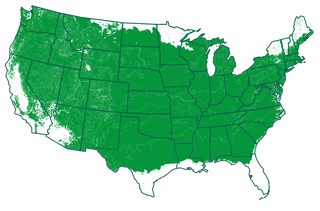
Growing Zones: 4-8 outdoors
(hardy down to -20℉)
Customer Reviews & Photos
Based on 14 reviews
Pretty
Love the little Boston I've arrived in good shape and looks
Positive online experience
A healthy, leafy plant was delivered in a timely fashion.
Gorgeous Ivy
Lovely Ivy, best price and quality around.
The Ivy Is Not Ivy League Quality
Arrived limp. I've been nursing it back but unfortunately, the majority of the limp vines have since died. I'm afraid to plant it outside until it gains some strength. I'll have to see how it fares over the next few weeks. Then I'll attempt to place it on its fence and see if it can't make it through the summer. Everything I read said these little guys were robust and strong - that hasn't been my experience so far... :(
Ivy came a little thirsty.
Ivy came a little thirsty. I have been nursing it back to health since its arrival.